When two kitchens meet.
17.04.2026
from Nadja Rauss
Sometimes it’s not the grand concepts or elaborate presentations that make an evening special, but the encounters behind them. Two people, two kitchens, two perspectives — and something else emerges: a shared understanding of taste.
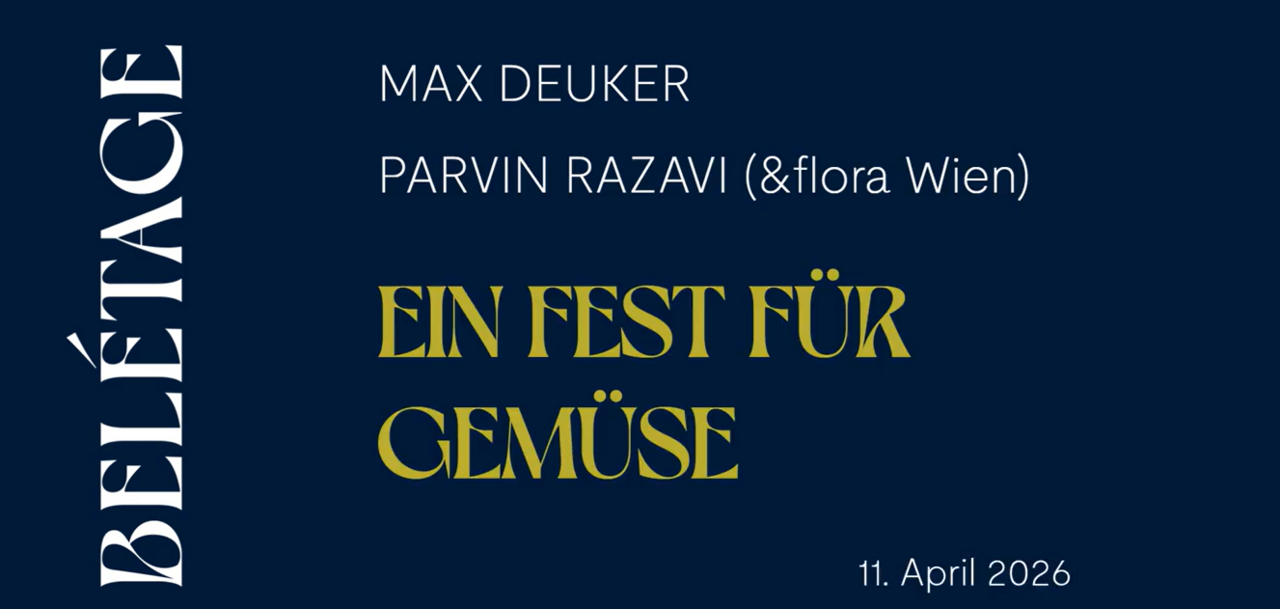
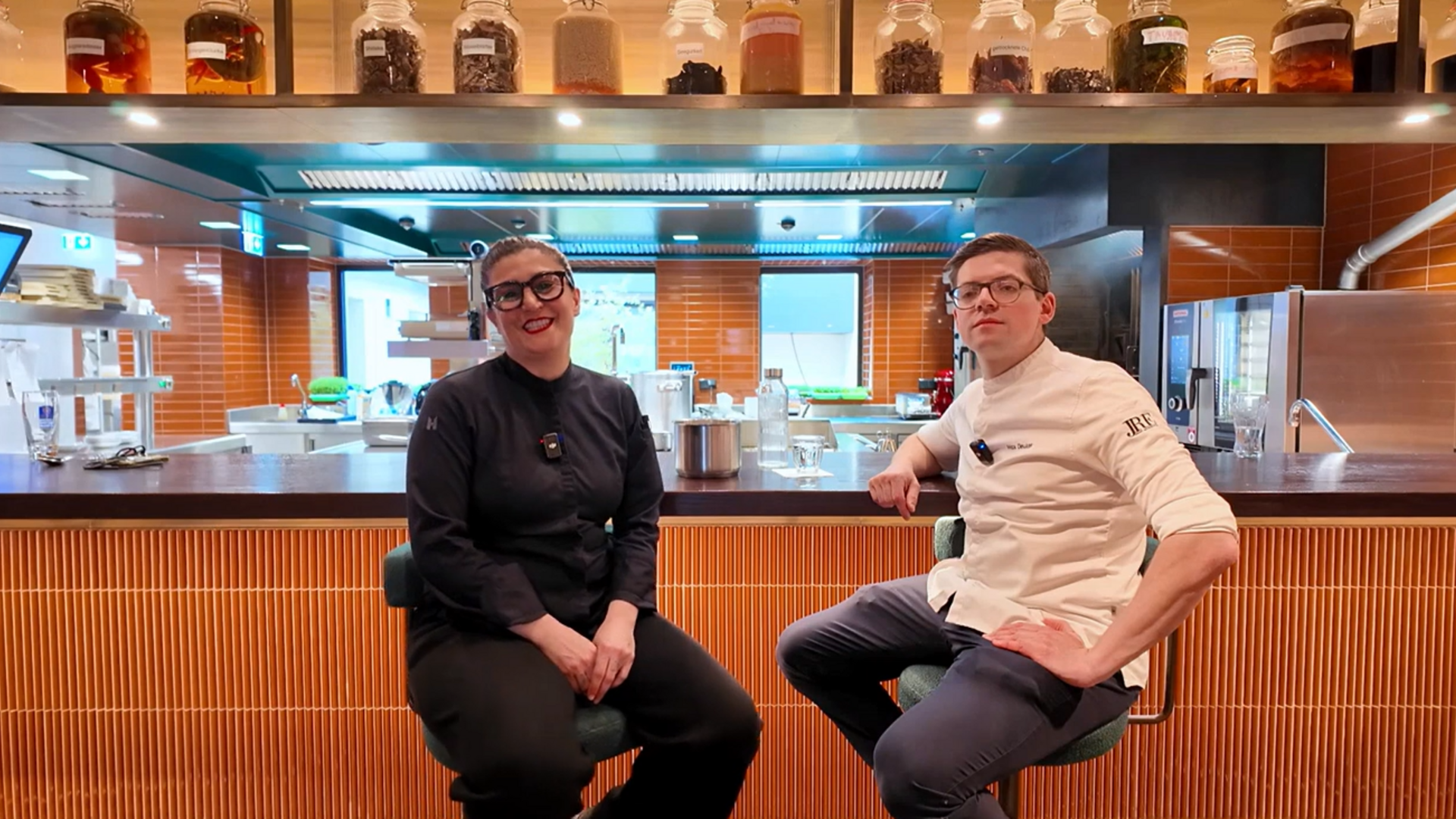
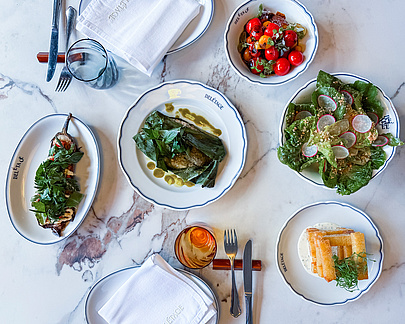
Parvin Razavi met Max Deuker on the Belétage of the Post am See. Two styles that are different - and complement each other. It's not about staging, but about what remains.
Good taste is rarely loud. It doesn't impose itself, it emerges. "A little acidity, well salted - not too salty. Everything nice and round," is how Parvin Razavi describes this state. It's the balance that counts. Nothing stands alone, everything interlocks. The moment when you don't want to analyse, but simply continue eating - that's where quality begins.
Less, but better.
An evening doesn't need to be too demanding to make an impression. Large menus with many courses can impress, but they also demand a lot of attention. "I think that's often too much," says Parvin Razavi.
What really matters is not twenty courses, but a clear arc of suspense. Dishes that are given space. Moments that are not overshadowed. Less is not understood here as renunciation, but as a decision.
At the same time, flavour often begins in the mind. Many guests bring expectations - and preconceptions. This is particularly evident with products such as tofu or beans. Once disappointed, scepticism remains. Good cuisine counters this not with explanations, but with experience. By making dishes a natural part of a menu. By rethinking things. And sometimes by simply naming things differently.
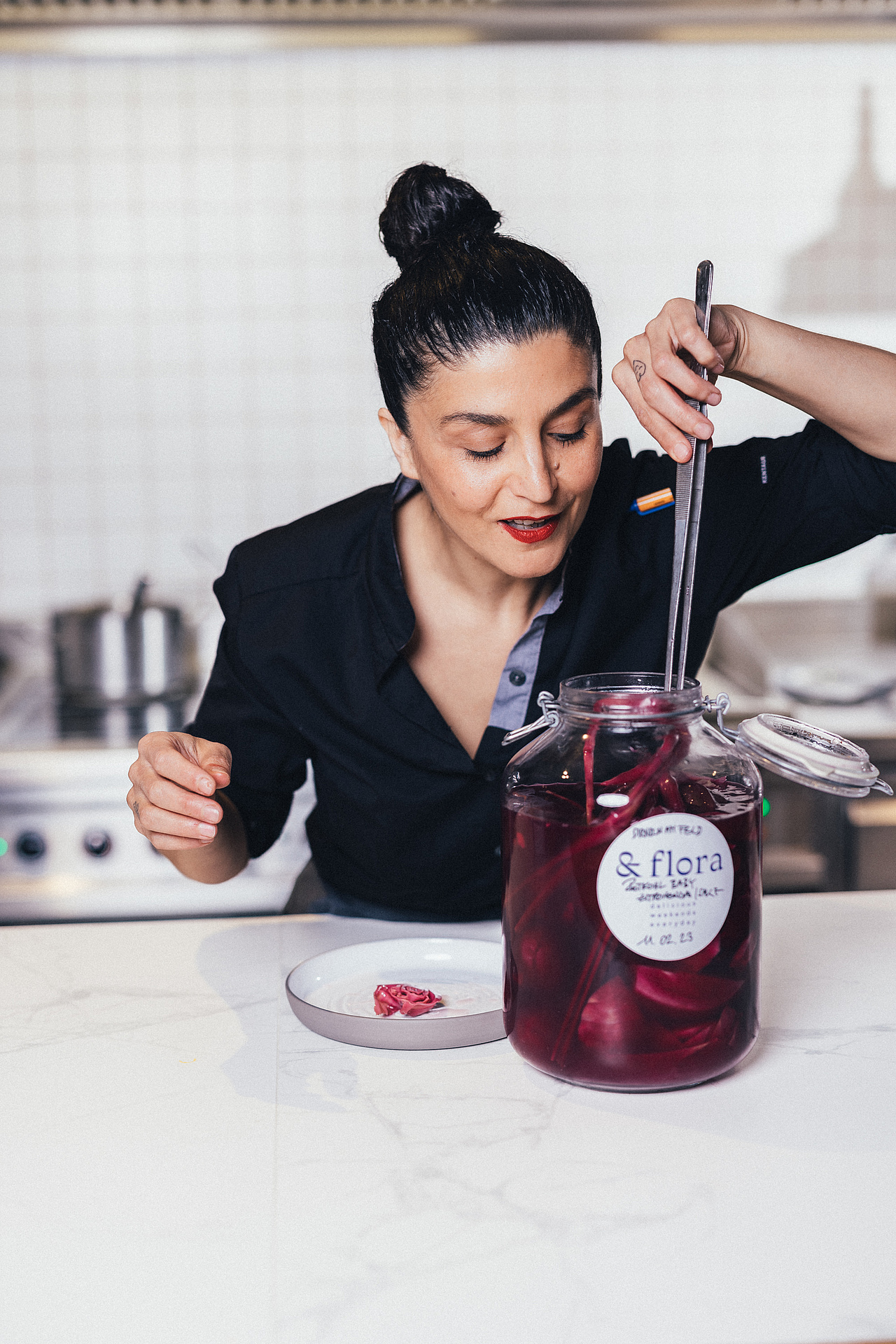
Close to the source.
Regionality is not a concept, but a relationship. It arises where you know who is behind a product. Where people talk to each other, think together, develop together.
This closeness changes the view of what is being processed. Products are not interchangeable, but part of a larger context. They tell of origins, of people, of decisions. And that is precisely what makes them exciting.


Craft meets creativity.
Cookery moves between precision and intuition. Craft is the basis - technique, repetition, clarity. Creativity is what goes beyond that. Idea, feeling, expression.
"For me, it's both," says Razavi.
Only when they work together does a kitchen emerge that not only functions, but also touches. A kitchen that leaves room - for different approaches, for exchange, for development.
The small moments.
It's rarely the grand gestures that stick. It's the small, precise moments. A spoon that fits perfectly. A sauce that is suddenly just right. A plate that no longer needs to be scrutinised.
"There is that moment when everything fits," says Deuker.
And perhaps that's the essence of it all. Those brief, clear moments when you decide why you do what you do.
Cooking is more than a profession. It is a connection. Across places, across cultures, across people. Food brings people together around a table - and when it's good, it creates something that can't be staged: genuine joy.
What remains of this evening is not a programme, not a menu in courses. It is a feeling. Of exchange. Of curiosity. Of a cuisine that doesn't have to be loud to be memorable.
Thank you, Parvin Razavi, for this shared moment.
Nadja Rauss
As a career changer in the hospitality industry, I bring with me a wealth of experience in marketing, particularly in brand management and the development of holistic brand experiences. Driven by my childlike curiosity and amazement at the wonders of the world, I live by values such as appreciation, courage and friendliness - qualities that characterise both my personal life and my work at GRÖLLER Hospitality.

Newsletter
Are you ready to dive into an artful adventure? Rediscover your inner artist and get fresh perspectives. Curious about the new post?
MEET ME BEFORE CHRISTMAS.
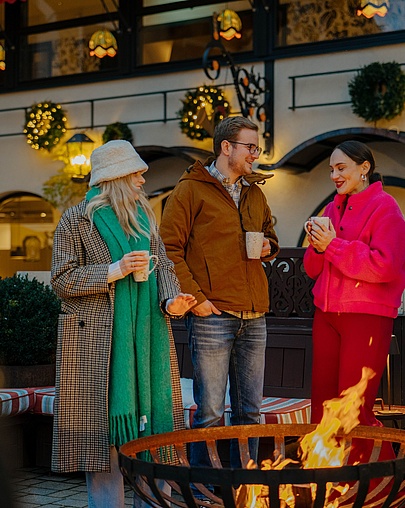
Advent at Lake Traunsee. Ice stock sport right outside Post am See. Mulled wine in hand. Friends by your side. Exploring Christmas markets. Making memories together. Our favorite Advent spots and winter moments are waiting for you.