Tales of Amaro.
17.04.2026
from Nadja Rauss
There are concepts that can be explained quickly. And there are those that are better understood when experienced. Tales of Amaro clearly belongs to the second category—even if the idea behind it is surprisingly clear.
Origin in Motion
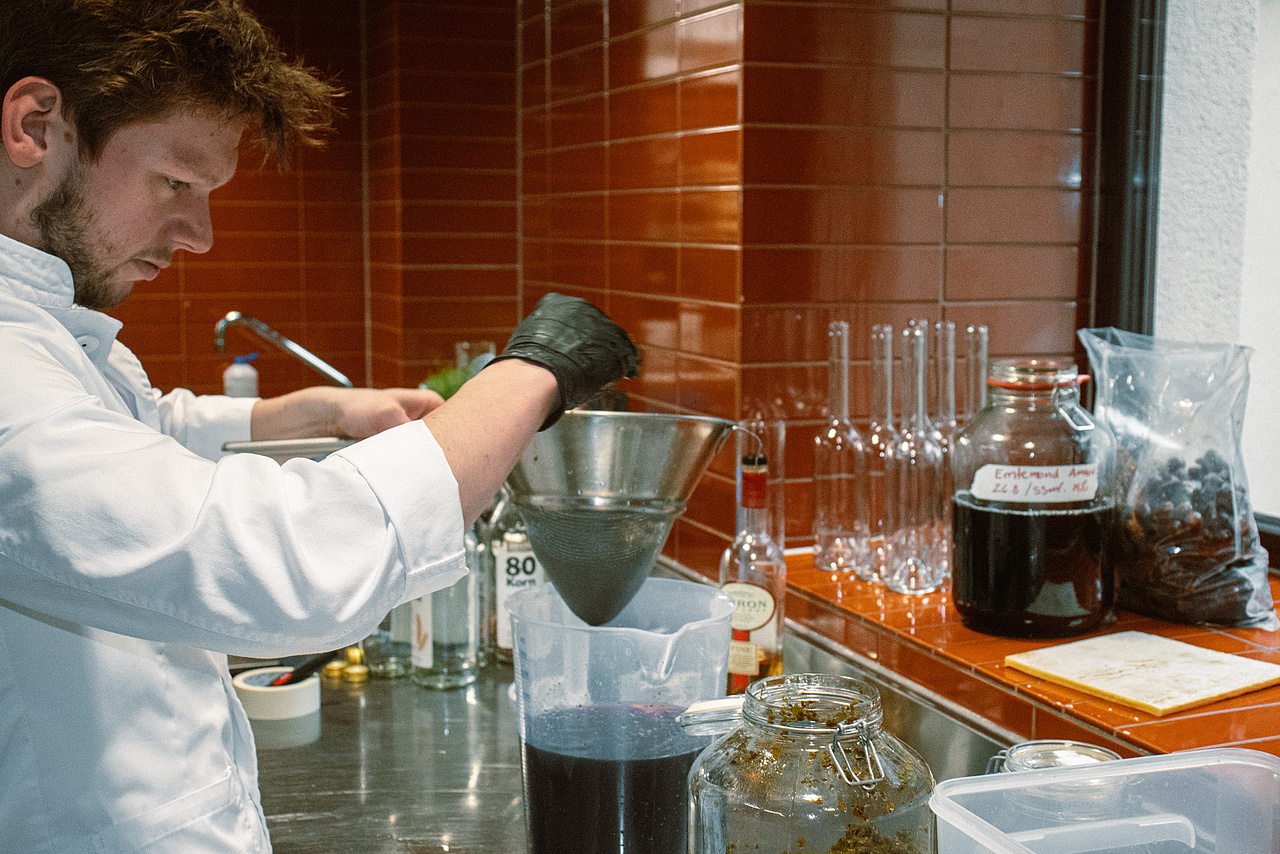
The project was developed by Marcus Volsa, Chef de Bar at the Belétage. His signature characterises not only the drinks, but the entire understanding of the bar in the establishment. He is not interested in effects or staging, but in a precise question: How can origin actually be made tasty - not as a story, but as an experience?
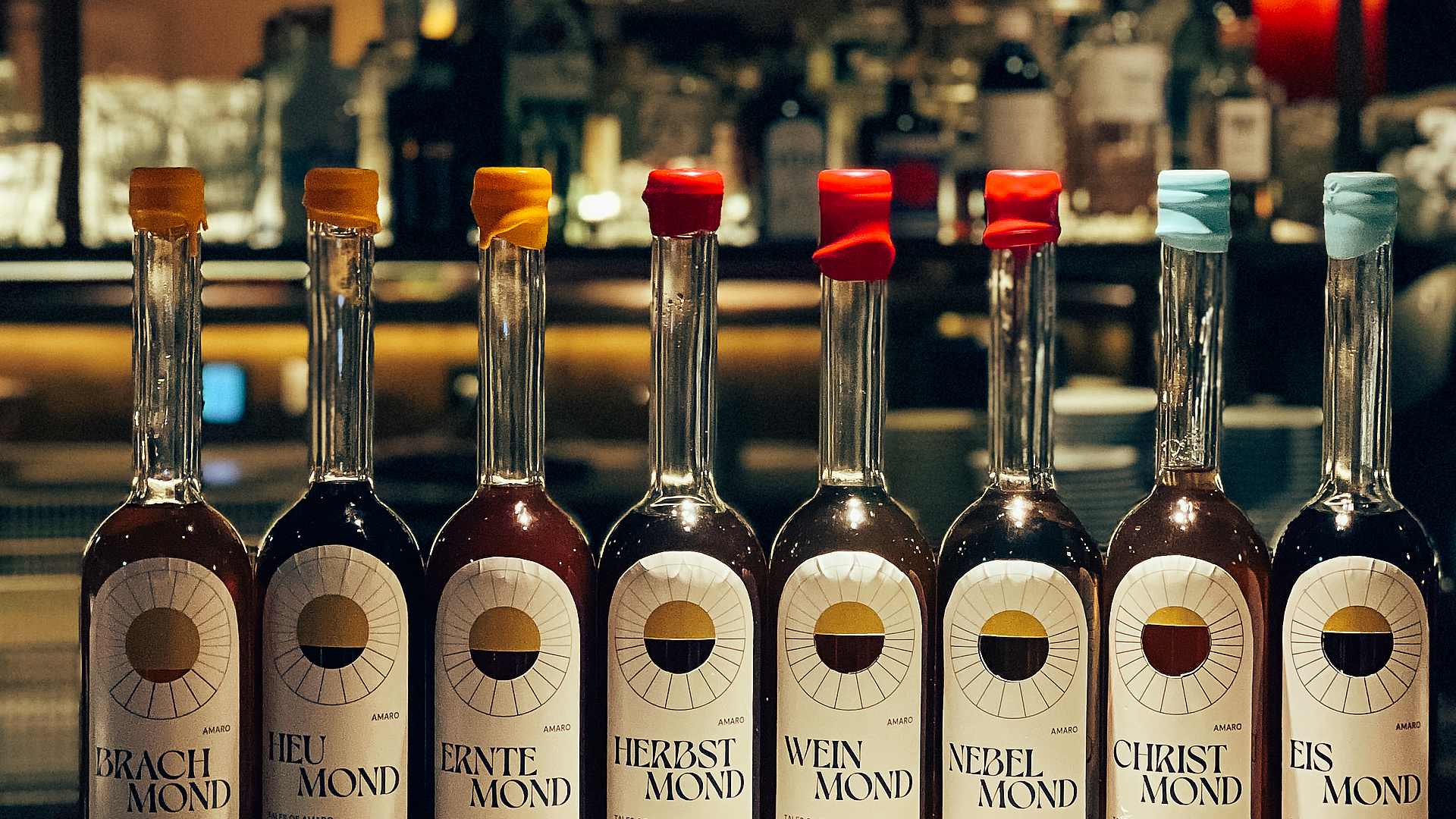
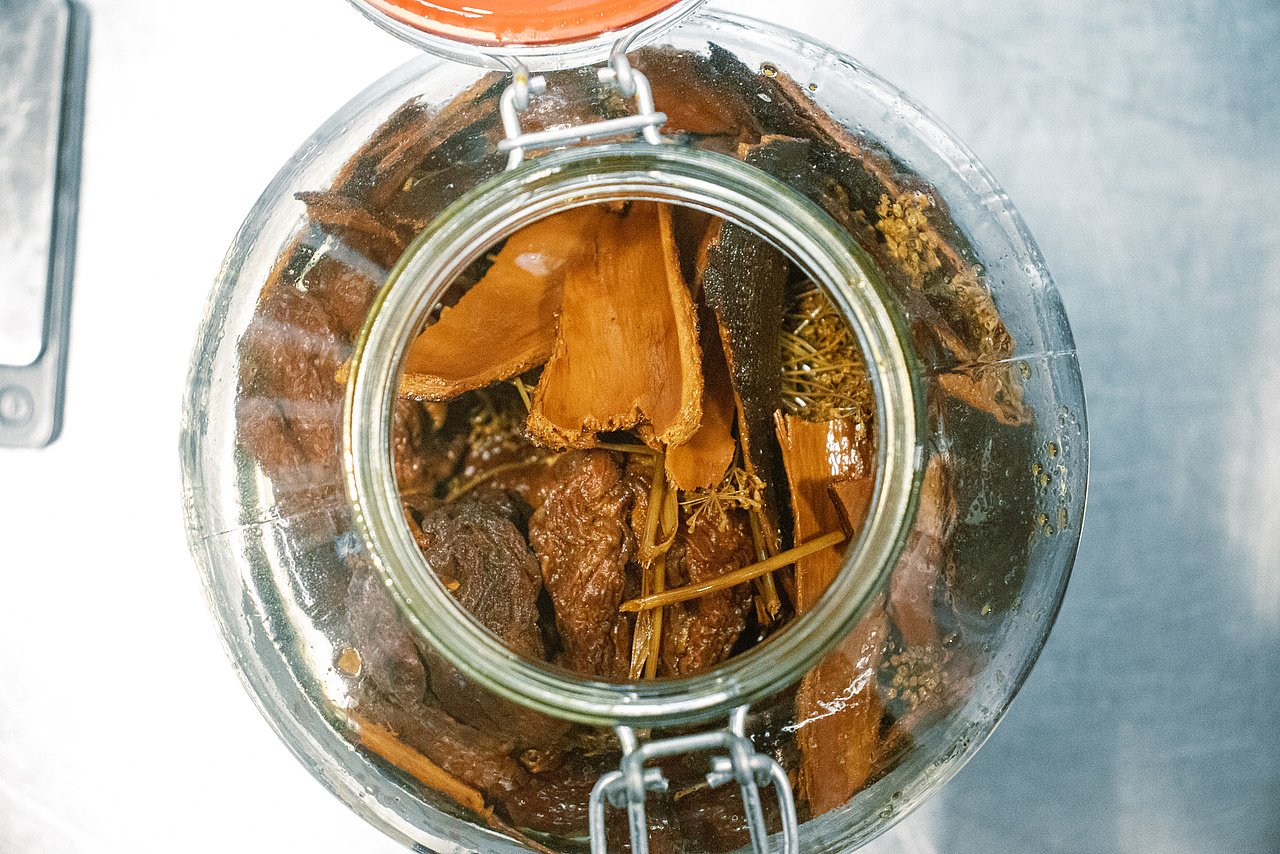
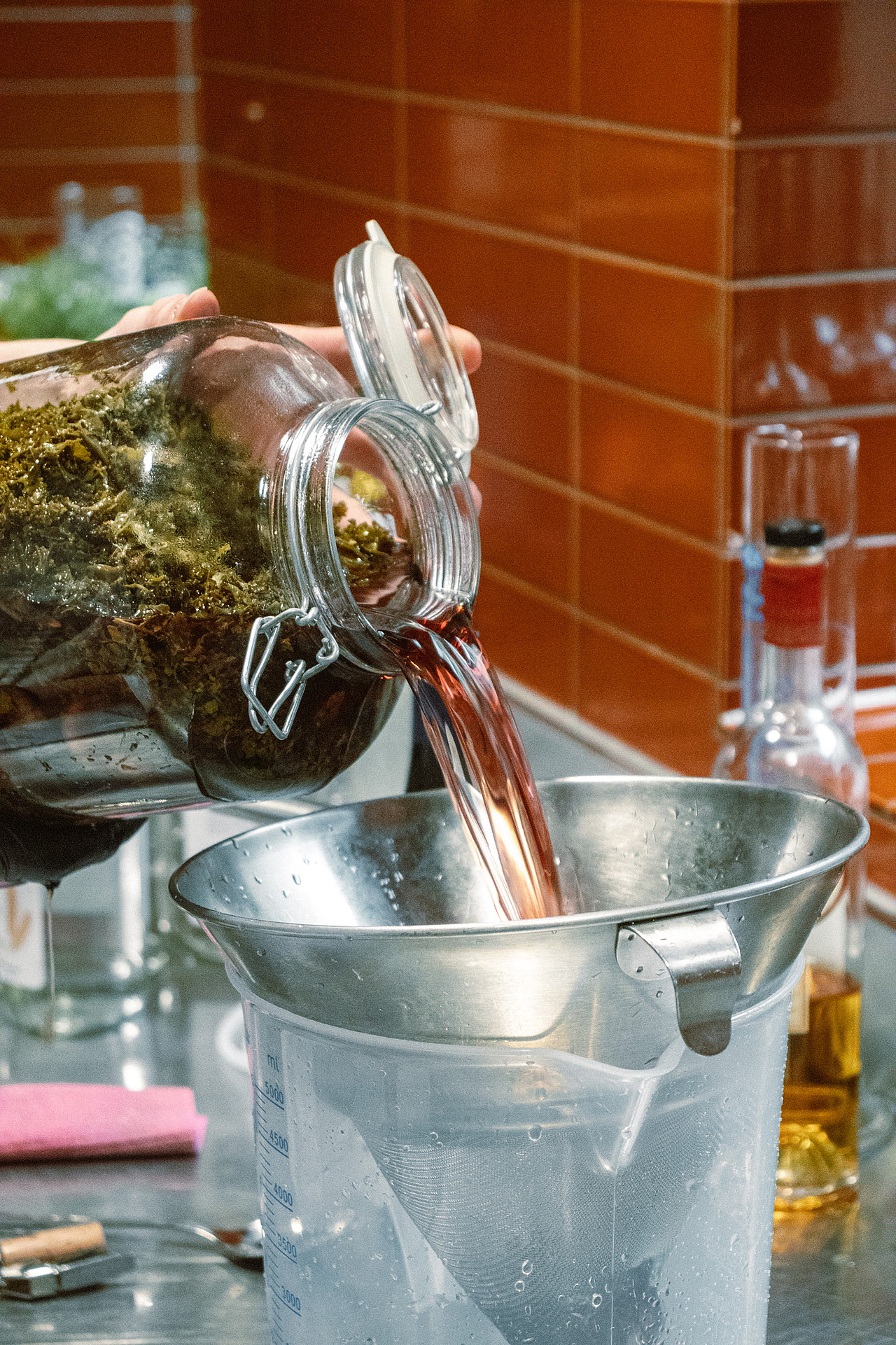
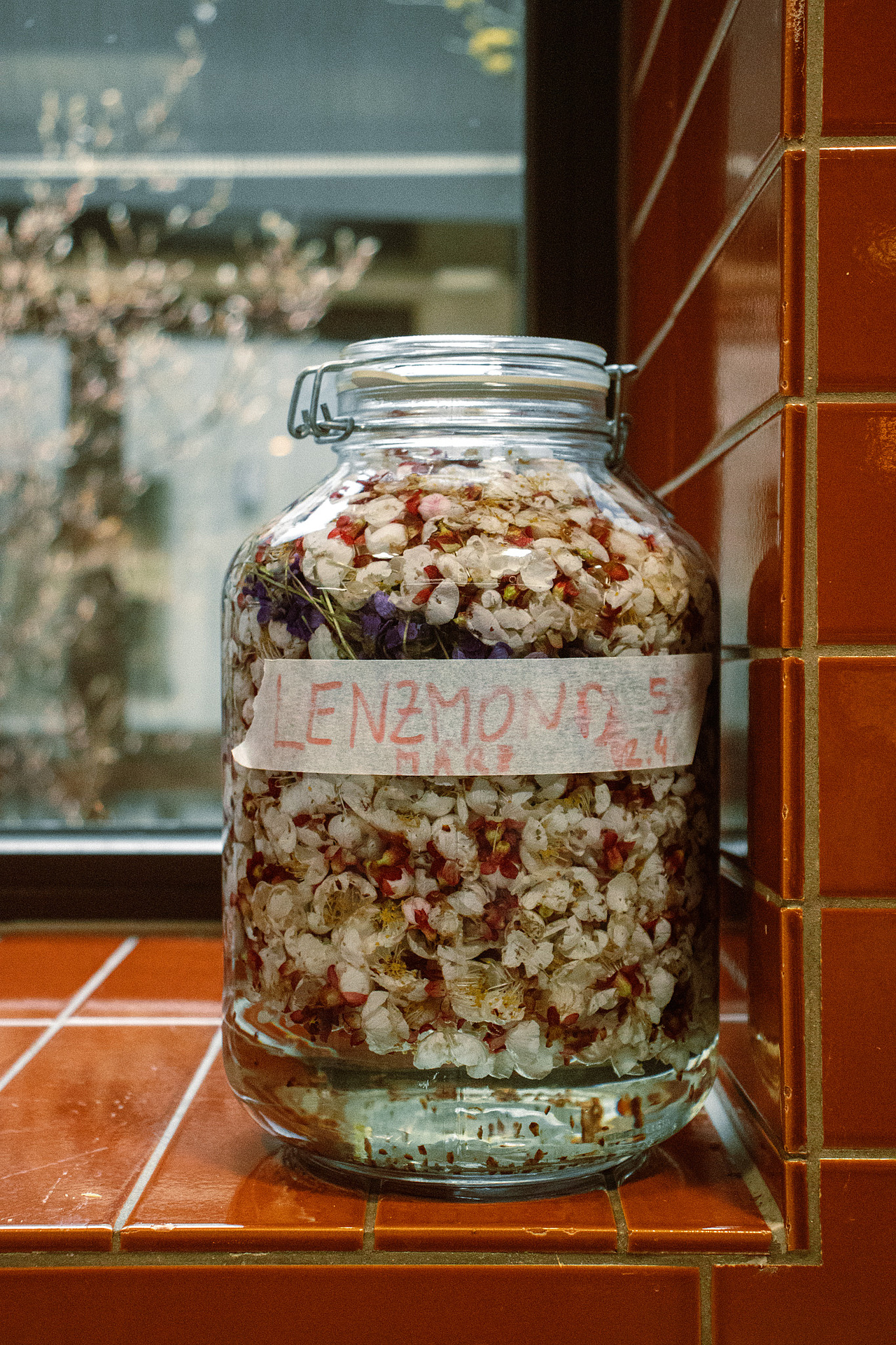
The answer to this question is as consistent as it is radical. Over the course of a year, twelve Amari are created, one per month. twelve Amari are created, one per month. Each one is based on a culinary understanding that places regional and seasonal availability at the centre. What grows, goes.
Time, Captured in button
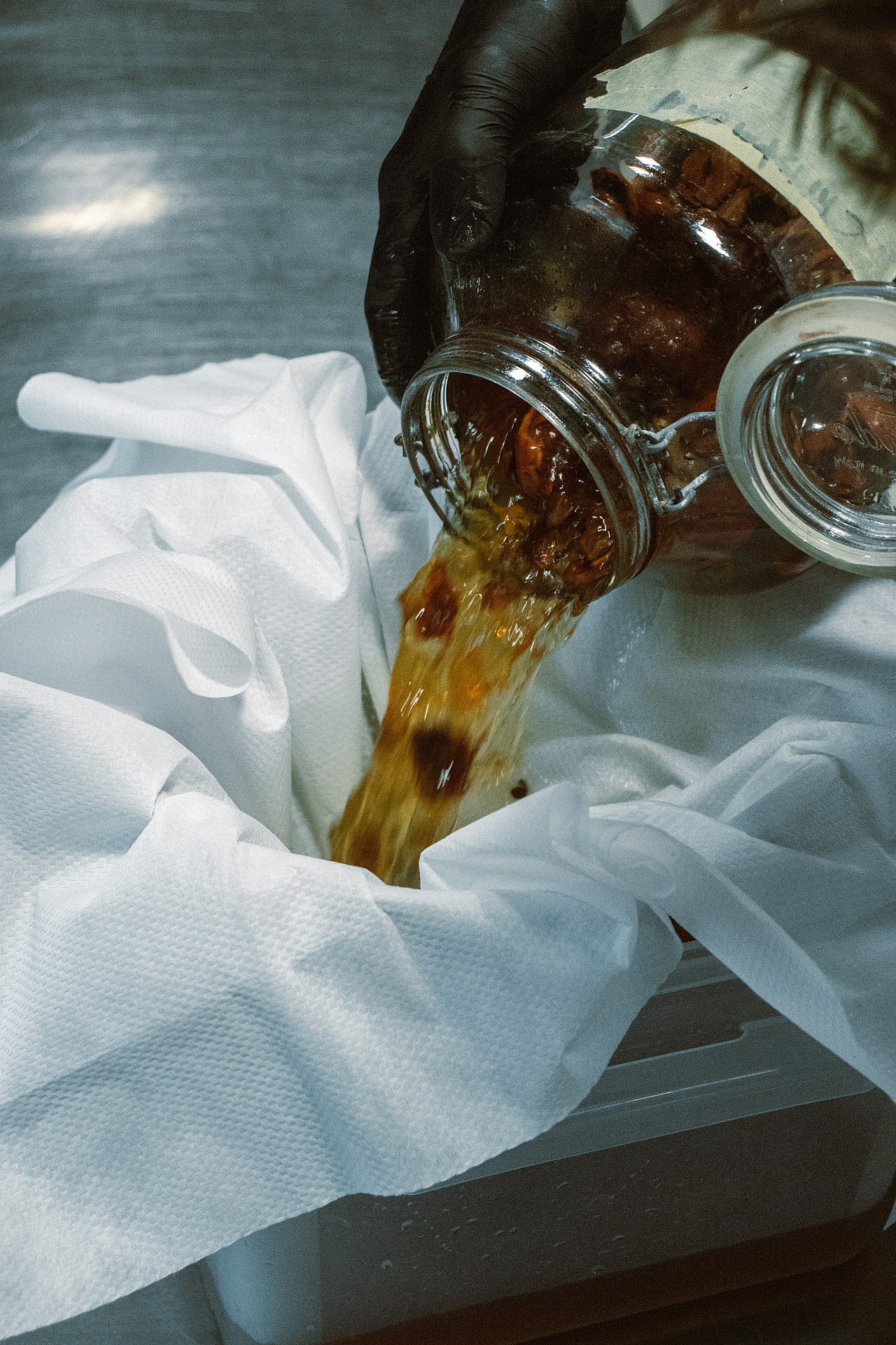
This shifts the focus. It is not the drink that takes centre stage, but the landscape. And this is - as Volsa understands it - not a static image, but a system in motion. Temperature, light, ripeness, transience: all these factors change what grows and how it tastes. Each Amaro thus becomes a snapshot that only exists once - a liquid snapshot of time.
The fact that these amari are only produced in small quantities is not a strategic shortage, but a logical consequence. If an ingredient disappears, the amaro disappears too. "In this way, we also want to contribute to an alternative understanding of luxury - away from purchased status and towards exclusivity through authenticity and limitation," says Volsa. - driven by season, not by schedule.

Familiar Form, Unique Origin
What is exciting is how accessible the whole thing remains. Despite the conceptual depth, Volsa deliberately avoids any form of over-staging. The drinks are based on familiar classics - a sour, a highball, a spritz. Familiar structures that provide orientation. Only the amaro in it is different: seasonal, handmade, unique. "That also sets us apart from others. There is no one recipe for all 12 Amari, but each one is already created in terms of sugar, alcohol content and bitterness for a specific profile and use." Familiar form, unique origin.
It is this balance that makes the difference. For guests like Nina, who are consciously travelling, looking for inspiration and value authenticity, the result is an experience that goes beyond the obvious. It's not just a good drink, but a context that you can feel - subtle, but precise.
And even for someone like Claudia, the concept unfolds its effect in a different way. Not so much through the depth of the theory, but through the atmosphere. Through conversations at the bar, through the feeling of being part of something alive that is constantly changing and never quite stays the same. A place to connect, not just consume.
Perhaps that's the real essence of Tales of Amaro: it's not about capturing something. It's about taking the moment seriously. Spring tastes different from autumn, summer different from winter - and it is precisely these differences that are not smoothed over here, but deliberately brought out.
In the end, it is less a series of products than an attitude. One that shows that origin does not need to be explained if it can be felt. And that a drink can sometimes tell more than any story - if you let it.
Experience it. On the Belétage.
You can experience the latest Amari in the Belétage - neat or as a terroir drink - once they are finished, they disappear from the menu.
Take a seat. Taste what's here. Now.

Nadja Rauss
As a career changer in the hospitality industry, I bring with me a wealth of experience in marketing, particularly in brand management and the development of holistic brand experiences. Driven by my childlike curiosity and amazement at the wonders of the world, I live by values such as appreciation, courage and friendliness - qualities that characterise both my personal life and my work at GRÖLLER Hospitality.

Newsletter
Are you ready to dive into an artful adventure? Rediscover your inner artist and get fresh perspectives. Curious about the new post?
MEET ME BEFORE CHRISTMAS.
Advent at Lake Traunsee. Ice stock sport right outside Post am See. Mulled wine in hand. Friends by your side. Exploring Christmas markets. Making memories together. Our favorite Advent spots and winter moments are waiting for you.