Cuisine with heart and mind. About craftsmanship, time and flavour.
03.02.2026
from Nadja Rauss
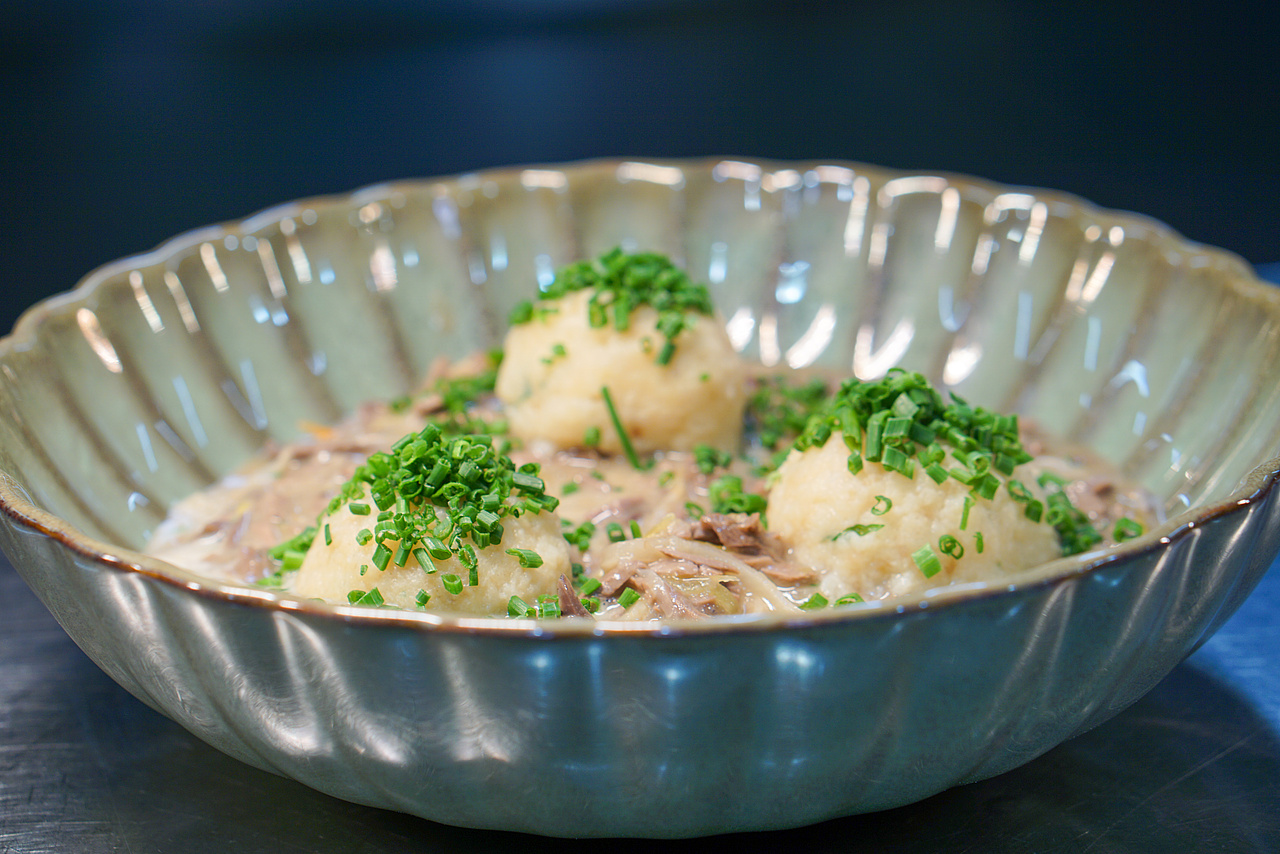
Offal is not for quick decisions. It demands time, experience, and a clear sense of purpose. At Poststube 1327, offal cuisine therefore deliberately carries the title “Inner Values.” Not as a provocation, but as an invitation—to a cuisine that looks closely and skips nothing.
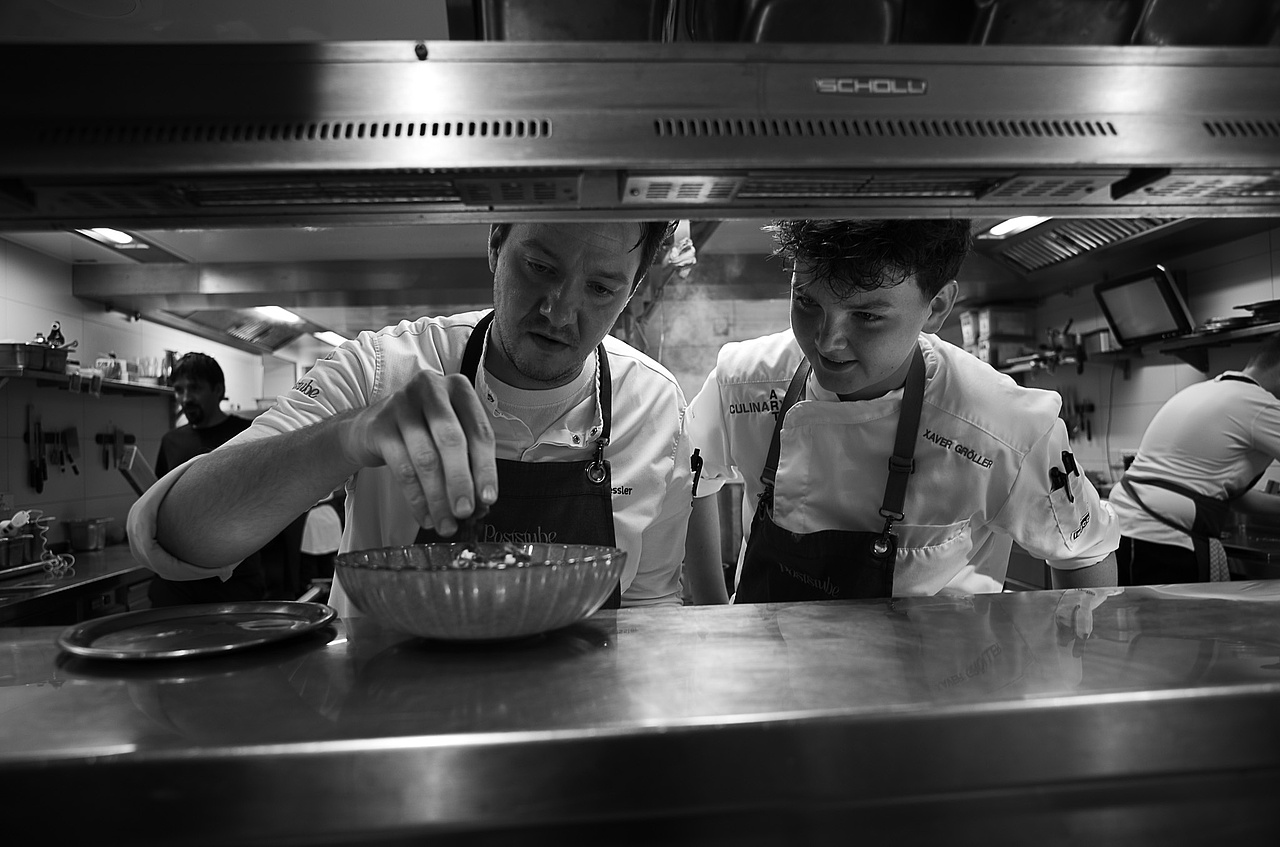
An interview with Stefan Griessler, head chef at Poststube 1327
Tradition Reimagined.
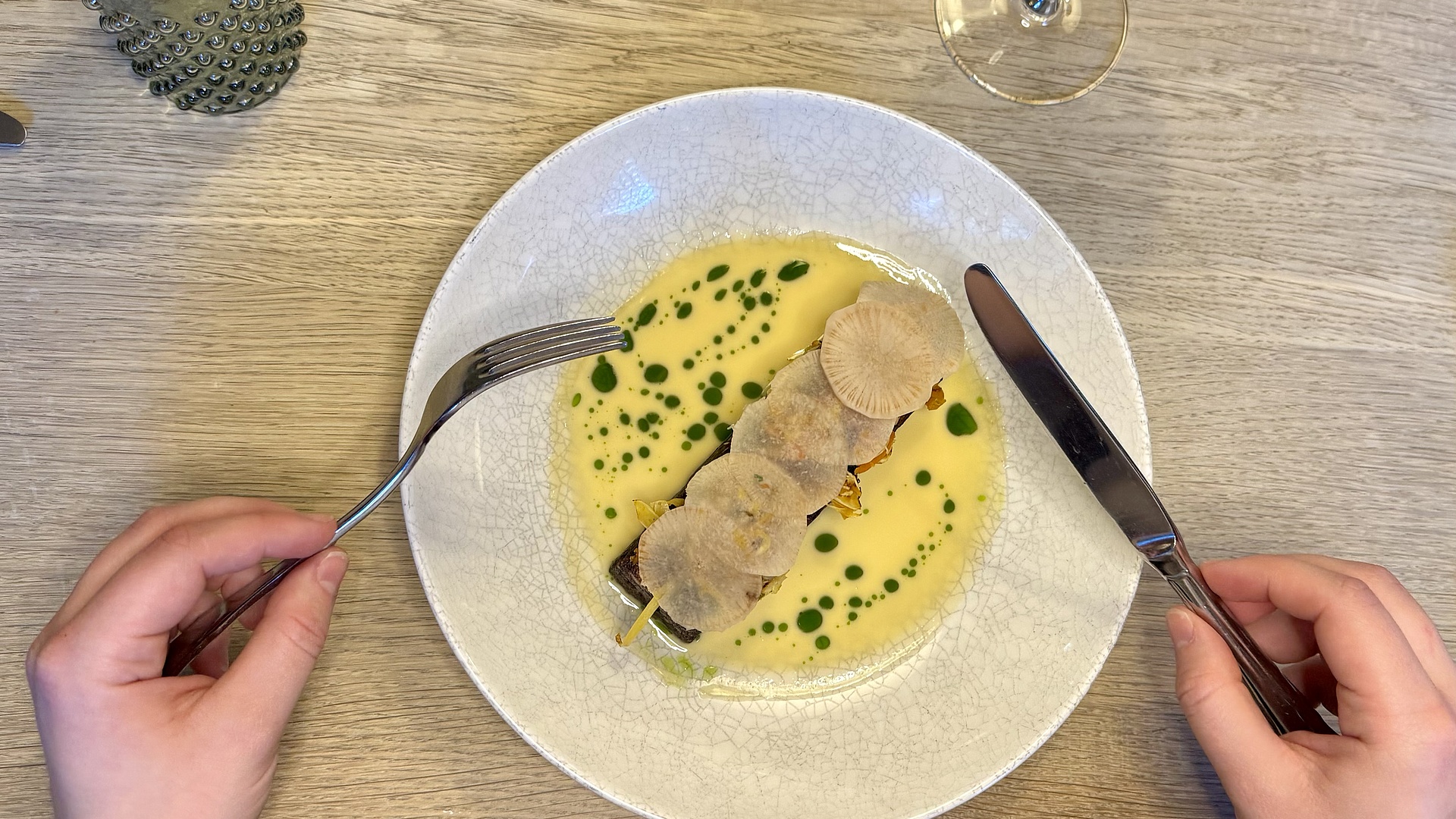
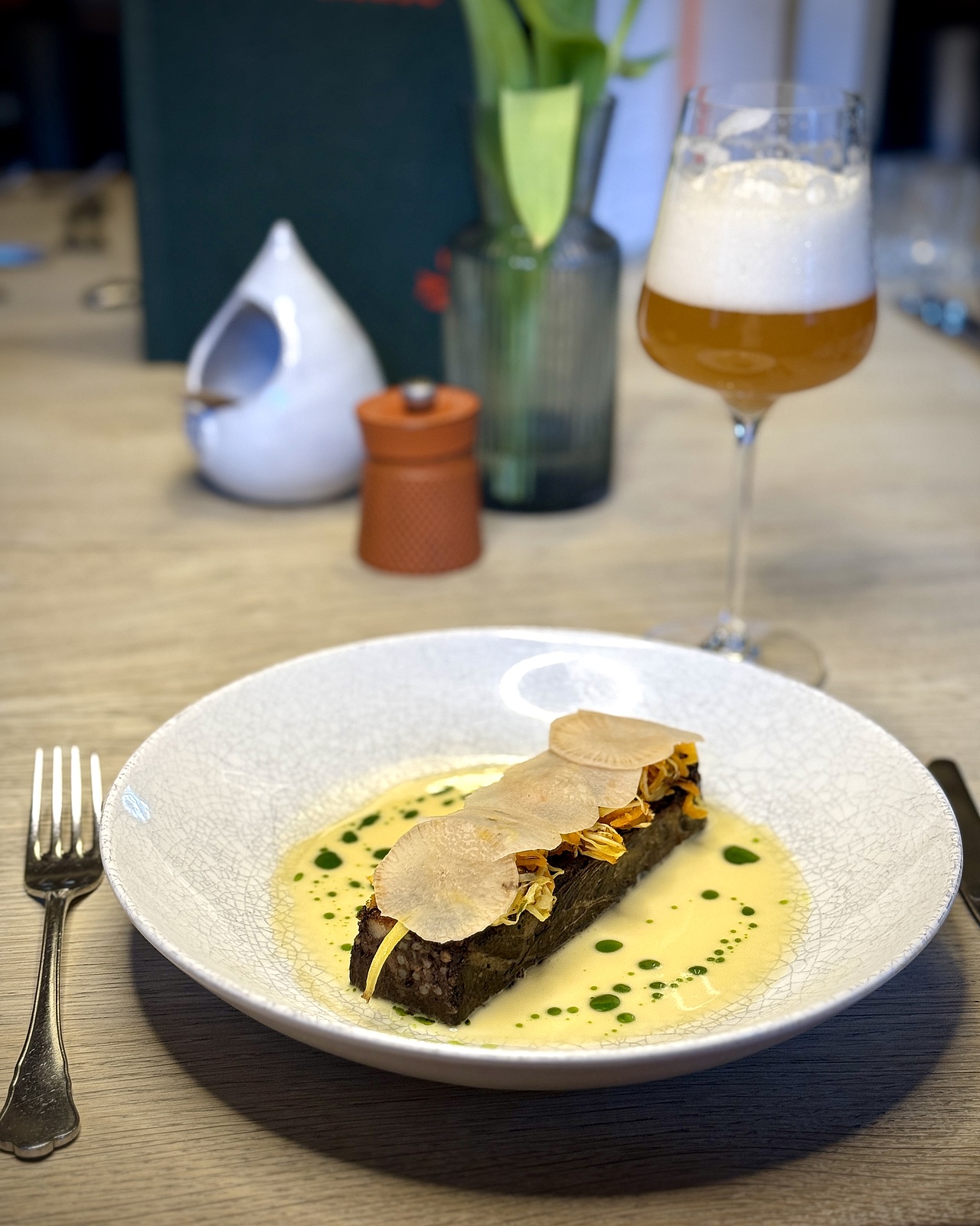
The centrepiece is a dish that seems familiar and yet surprises: Blunzenbuchtel. Homemade black pudding, creamed cabbage and yeast dough. A clearly Austrian triad, interpreted in a modern way and precisely balanced. The idea behind it is not innovation at any price, but the contemporary continuation of traditional cuisine. Inspiration came from Karl and Rudi Obauer, among others - chefs whose signature style still stands for uncompromising craftsmanship today.
What appears calm and natural on the plate is the result of an enormous amount of time and effort. It takes up to eight hours to prepare each production cycle. The black pudding is made entirely in-house at Poststube 1327. Every detail counts, from the precise cutting of the ingredients to the final texture. Offal leaves no room for inaccuracy. They require concentration, knowledge and routine.
The black pudding in particular was a long learning process for Stefan Griessler, head chef at Poststube 1327, who spent five years working on the recipe, experimenting, discarding and reworking it. In the end, the decisive solution lay in a classic, almost forgotten element: the pig's head. Cooked and used in a targeted manner, it provides the natural gelling agent that gives the black pudding stability and depth. Without additives. Without shortcuts. Grown expertise.
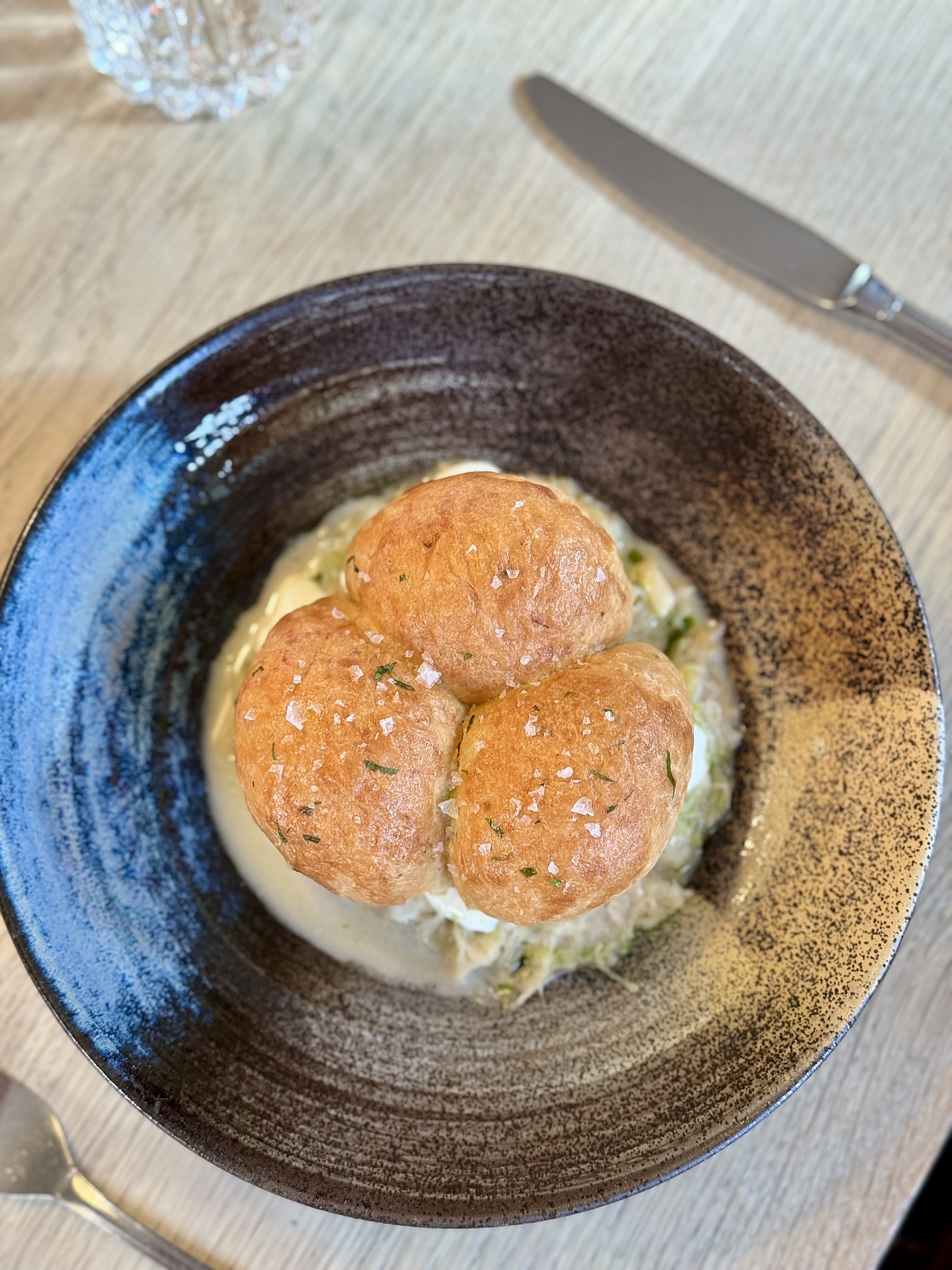
The flavour of Blunzenbuchtel is characterised by its balance. Fatness, umami and a subtle piquancy intertwine without dominating. Perhaps it is precisely this clarity of flavour that explains why it is so popular with guests. While many offal dishes - such as brains with egg - present mental hurdles despite their familiarity, the Blunzenbuchtel is much more accessible. It ties in with familiar flavours and takes away guests' fear of offal. It works through memory, through familiar textures - and thus opens up a new approach.
Stefan Griessler himself describes this approach as follows:
"Offal is not an effect. If you give them time and work properly, you don't need to explain anything. Then only the flavour decides."
For him, that is precisely the benchmark. Good craftsmanship is explained through flavour - quietly, precisely and without staging. The kitchen sees itself as a classic craft, more of a manufactory than a stage. Knowledge is passed on, techniques are carefully cultivated, products are treated with respect. Slow food is not a statement here, but an everyday reality.
This attitude is also reflected in the overarching nutritional philosophy. The focus is on natural, minimally processed foods. A cuisine that reduces without sacrificing. And which thus hits the nerve of a time in which many people want to get closer to the product again.
Inner Values is therefore more than just a seasonal menu. It is an insight into a cuisine that sees time as a sign of quality. And into a craft that shows how much future there is in traditional techniques if you are prepared to take them seriously.
Craft takes time. Taste remembers it.

Nadja Rauss
As a career changer in the hospitality industry, I bring with me a wealth of experience in marketing, particularly in brand management and the development of holistic brand experiences. Driven by my childlike curiosity and amazement at the wonders of the world, I live by values such as appreciation, courage and friendliness - qualities that characterise both my personal life and my work at GRÖLLER Hospitality.

Newsletter
Are you ready to dive into an artful adventure? Rediscover your inner artist and get fresh perspectives. Curious about the new post?
Slow Days. Colorful Minds.
Autumn at Lake Traunsee. Crisp air, colorful forests and fresh perspectives. Head outside and explore. Head up to the Rooftop BergSPA. Get inspired. Recharge. And in between? A few ideas for your perfect autumn day by the lake.